
175,000 new historical records are now freely available online in the Virtual Record Treasury of Ireland to mark the 103rd anniversary of the Four Courts blaze that destroyed the Public Record Office of Ireland, and with it seven centuries of Irish history.
Launched three years ago, the Virtual Record Treasury of Ireland (VRTI) is now home to over 350,000 records and 250 million words of searchable Irish history. Led by Trinity College Dublin and supported by the Department of Culture, Communications and Sport, the project brings together historians, computer scientists, archivists, and librarians working to digitally recreate Ireland’s destroyed public record office and its lost collections.
A total of 75 memory institutions across the island of Ireland and around the world are contributing digital images of replacement documents — transcripts and duplicates — to the Virtual Treasury. This includes core partners National Archives of Ireland (NAI), Public Record Office of Northern Ireland (PRONI), The National Archives UK (TNA), the Irish Manuscripts Commission (IMC) and the Library of Trinity College Dublin.
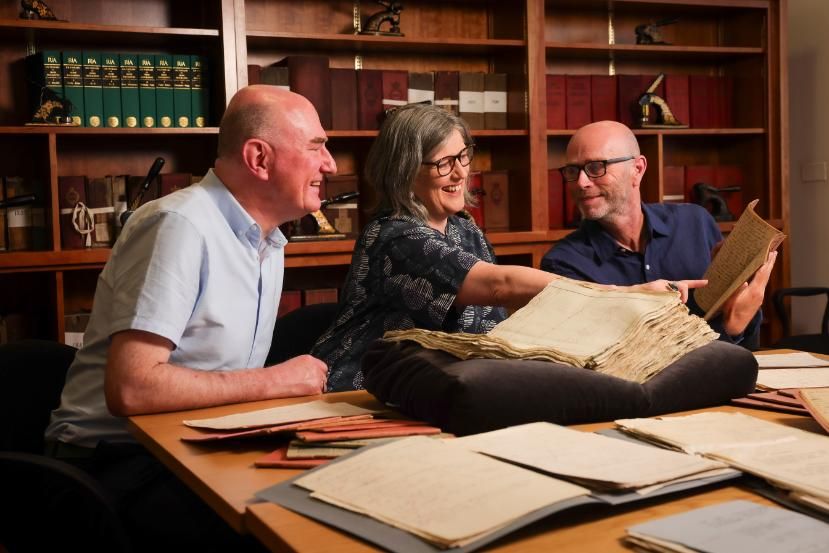
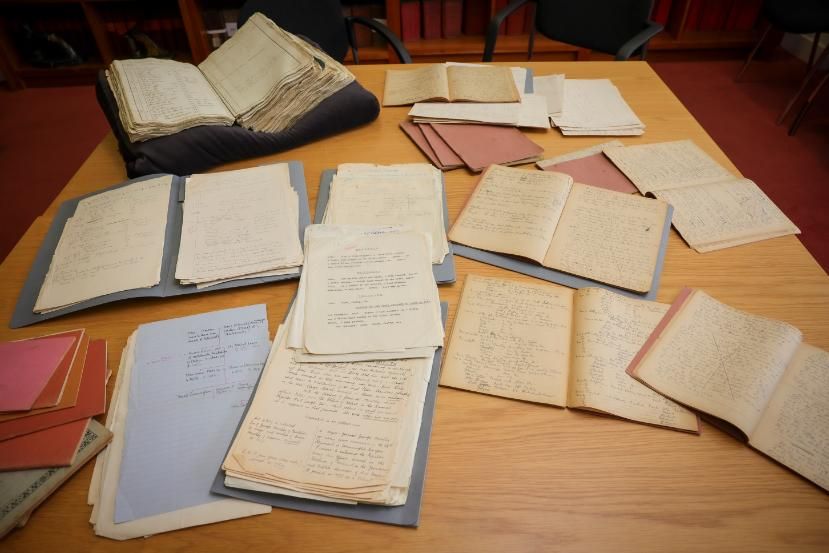
Among new treasures freely available online today for the first time are 60,000 names from the 19th-century census destroyed in 1922. Painstakingly compiled from transcriptions preserved in National Archives of Ireland and Public Record Office of Northern Ireland, these recovered transcripts of census returns reveal ordinary lives across the island of Ireland in the decades before and after the Great Famine.
New in the Virtual Record Treasury of Ireland for 2025:
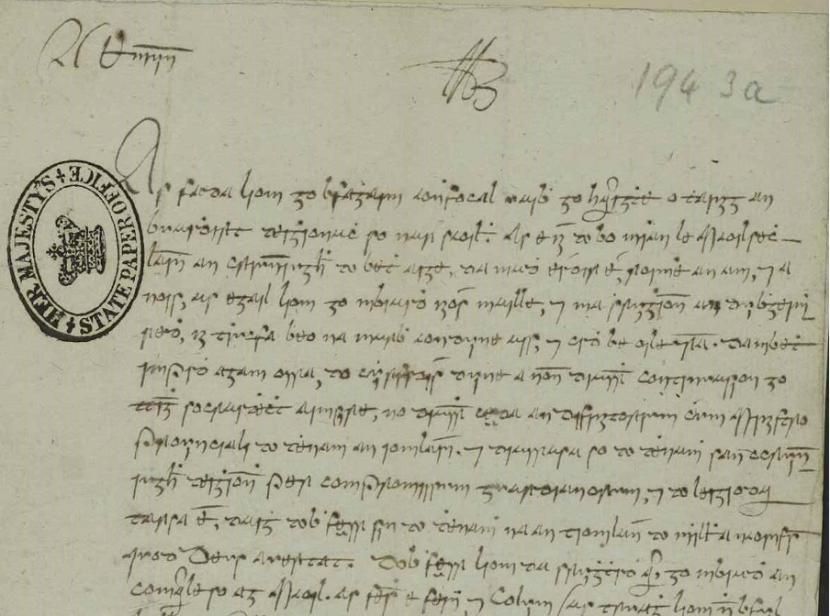
Trinity historian Dr Peter Crooks, Academic Director of the Virtual Record Treasury of Ireland, said: “We are excited to release our latest collections freely online for citizen researchers, students, and the academic community. The scale, scope, and significance of these materials is remarkable. They will be of huge interest to anyone exploring Ireland’s story as a global island. Thousands of names of individuals from before and after the Great Famine; extensive intelligence reports from the Tudor era; and a host of medieval records presented in English alongside the original Latin parchment — these vast and varied collections are a testament to the power of collaboration.
“A stand-out for me is the extraordinary detective work by our research team and partners in Dublin and Belfast on the pre-Famine census returns. Millions of names were lost, tragically, in 1922 when those records went up in flames. But today, on the 103rd anniversary of the fire, we are releasing more than 60,000 names newly recovered from those very census returns. It’s a tremendous achievement. What we have uncovered after years of painstaking archival work will help families across the world trace their story deeper into the Irish past.”
The Virtual Record Treasury of Ireland is supported by the Irish Government through funding from the Department of Culture, Communications and Sport under Project Ireland 2040 and is freely and permanently available online at Virtual Record Treasury of Ireland (virtualtreasury.ie).
Patrick O’Donovan, Minister for Culture, Communications and Sport, said: “The Virtual Record Treasury of Ireland is a wonderful legacy for our Decade of Centenaries. It offers an invaluable historical resource for people of all ages and traditions across the island of Ireland and abroad, and democratises access so that our shared history is more accessible and engaging for everyone.
“These new releases are very exciting and I commend the team in Trinity College Dublin, who have led the project with such vision, ambition, integrity, and care. I would like to acknowledge also the core partners – the National Archives of Ireland (NAI), the Public Record Office of Northern Ireland (PRONI), the National Archives UK (TNA), the Irish Manuscripts Commission (IMC), and the Library of Trinity College Dublin – as well as the many other participating institutions who have so generously and enthusiastically shared their archival collections, as well as their time and expertise. From the beginning, all-island and international collaboration has been a cornerstone of the project’s success.
“The Virtual Record Treasury of Ireland has enabled local communities and family historians to explore their own histories in new ways, through the freely accessible archival records and innovative technologies. This creative approach, underpinned by academic rigour, allows for new perspectives and a greater understanding of what we thought we knew already. It is very inspiring to see how the Virtual Record Treasury of Ireland has encouraged and stimulated new research and scholarship. I encourage everyone to delve into the Treasury and its archival collections, and discover for themselves the riches contained within these records.”
Dr Linda Doyle, Provost of Trinity College Dublin, added: “The Virtual Record Treasury of Ireland is a beacon project demonstrating the power of interdisciplinary research, advanced technologies and strong partnerships to achieve significant societal impact. The release of so many fascinating new records for free to the public is another impressive milestone and will be of interest to diverse audiences interested in preserving and exploring our shared past. The project is underpinned by rigorous academic scholarship, the ethical application of artificial intelligence, as well as many fruitful collaborations.”
To mark the 103rd anniversary the VRTI platform has also been upgraded with powerful new features including the Knowledge Graph Explorer developed as part of a research collaboration with ADAPT Research Ireland Centre. Based on semantic web research, it is the first of its kind for Irish historical research and harnesses the power of Linked Data to reveal connections across the archive in an accessible way.
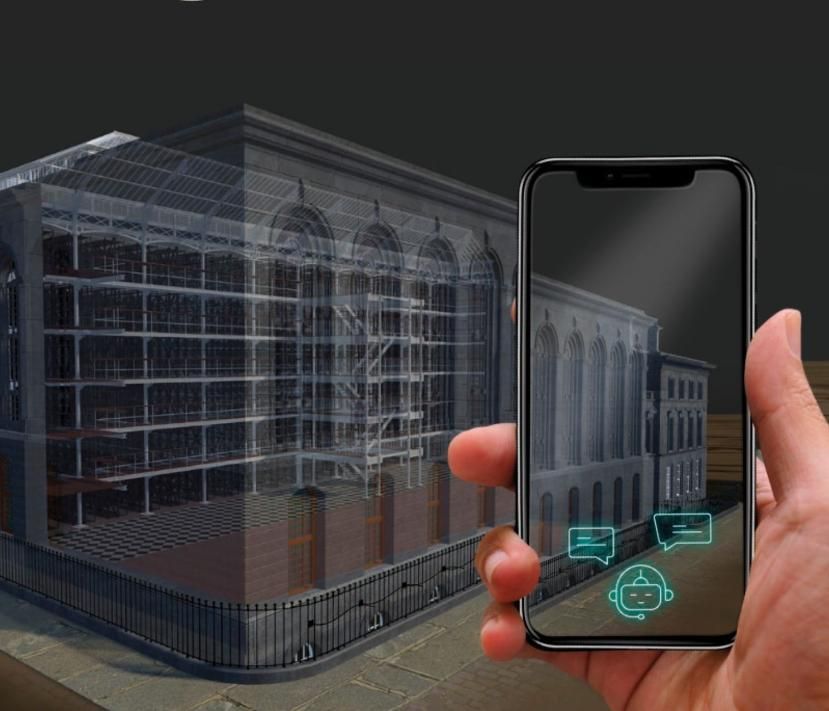 VRTI is engaged with research at the forefront of technology. This is led by researchers in the ADAPT Research Ireland Centre and the School of Computer Science and Statistics.
Declan O’Sullivan, Prof. in Computer Science, ADAPT Research Ireland Centre and the School of Computer Science and Statistics, Trinity, said: “With the launch of the Knowledge Graph Explorer, we are providing a new way for citizen researchers to interact with Irish people and places in an intuitive and easy way that encourages exploration of Irish history. Building on over a decade of research into Knowledge Graph technologies within ADAPT at the School of Computer Science and Statistics, the VRTI Knowledge Graph Explorer provides a new way to structure historical knowledge and link to other sources of knowledge about individual people and places. And even better it provides us with the basis to link people and places to individual VRTI records and back again.”