If you’ve ever looked at teaching English abroad and immediately thought, “I couldn’t do that — I’m not a teacher,” you’re not alone.
It’s an easy assumption to make. Teaching is a profession, after all, so surely you need years in a classroom or a degree in education before a school will consider you?
For many TEFL opportunities, that simply isn’t the case.
People come into Teaching English as a Foreign Language (TEFL) from all kinds of backgrounds. Some are recent graduates looking for an alternative to going straight into a traditional graduate job. Others have spent years working in hospitality, retail or an office and are ready for a change. Some want to move abroad, while others are more interested in teaching English online and having greater flexibility over where they work.
What they often have in common is that they weren’t teachers before they started.
Previous teaching experience isn't necessarily a prerequisite for getting TEFL qualified. In fact, learning how to teach is the whole point of the training.
At The TEFL Institute of Ireland (TEFL.ie), students regularly begin their courses without any previous classroom experience. TEFL training introduces new teachers to the practical side of the job: planning lessons, teaching grammar and vocabulary, managing a class, understanding different learning styles and, importantly, getting students to actually communicate in English.
Being fluent in English doesn't automatically mean you'll know how to explain it.
Take a relatively simple sentence such as “I’ve been working here for three years.” Most fluent English speakers wouldn't give it a second thought. Ask them to explain the tense, when we use it and how they would teach it to somebody encountering it for the first time, and suddenly things become more complicated.
That's the gap TEFL training is designed to fill.
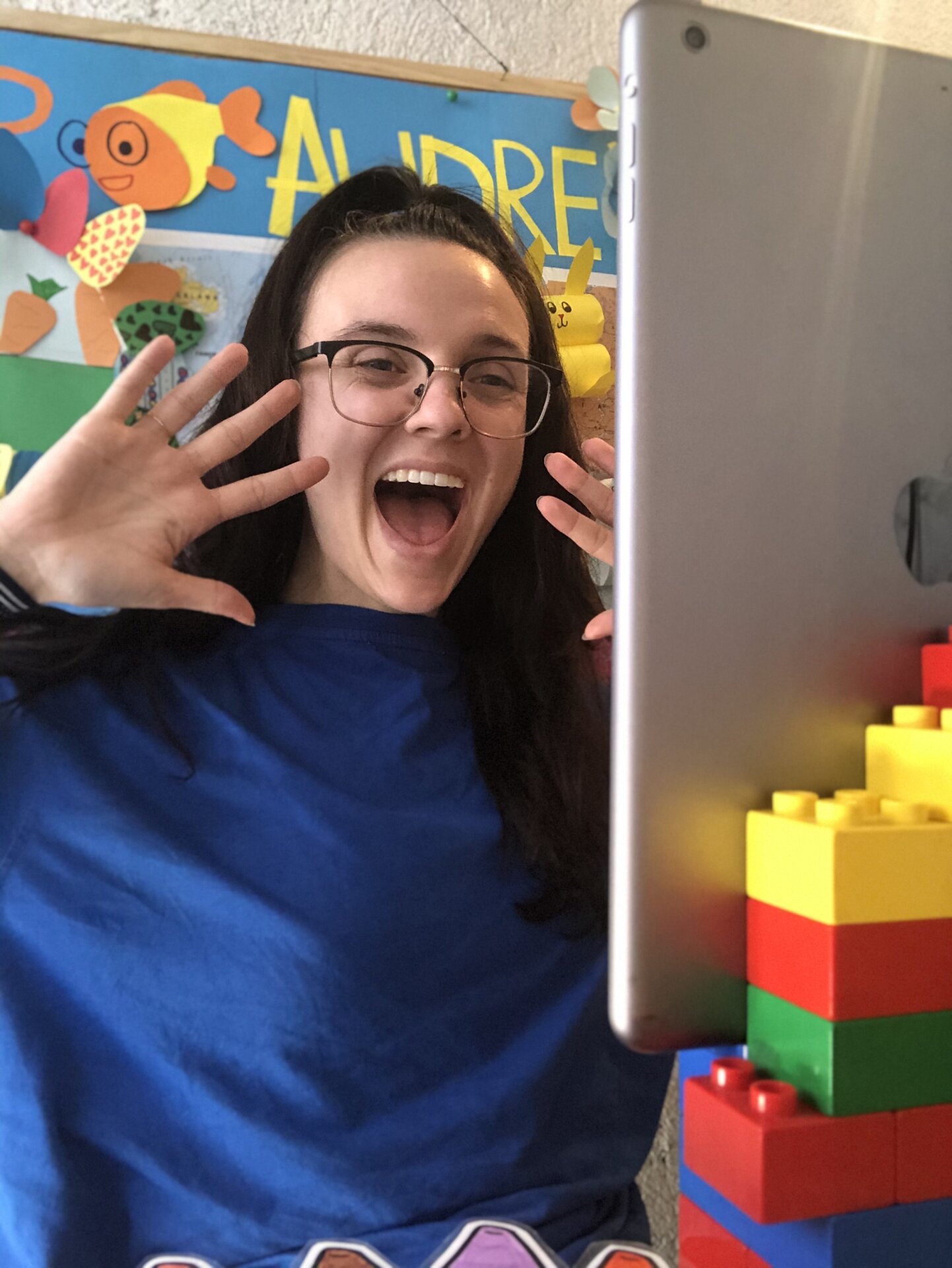
One of the biggest mistakes first-time TEFL applicants make is looking at their CV and seeing “no teaching experience”.
An employer may see something different.
Someone who has spent three years working in a busy restaurant has dealt with people from different backgrounds, communicated under pressure and learned to adapt quickly when things go wrong.
Someone working in retail probably explains things to customers every day.
Office workers present information, organise workloads and train new colleagues. Sports coaches motivate people and give instructions. Parents, youth leaders and volunteers may already have years of experience communicating with children.
None of those things makes someone a trained English teacher. But they do build skills that transfer surprisingly well into teaching.
The training gives those skills somewhere new to go.
The classic image of TEFL is still someone packing a suitcase and moving halfway around the world to teach.
And for plenty of people, that's exactly the appeal.
A TEFL qualification can be the starting point for exploring teaching opportunities in language schools and other educational settings overseas. Depending on the destination and role, employers may have additional requirements, so anyone considering a particular country should research these before making plans.
But relocating isn't the only reason people get TEFL qualified.
Online English teaching has created another route entirely.
Teachers can work with students in different countries without necessarily moving abroad themselves. For someone changing careers, that might mean exploring online teaching alongside their existing work. For somebody who wants to travel eventually, it can be a way of building confidence and experience first.
Others specifically pursue TEFL because they want work that has the potential to be more internationally focused and flexible.
That means the question isn't always “Which country should I move to?”
Sometimes it's simply “What kind of teaching would suit me?”
Completing a course is one thing. Standing in front of actual students is another.
Your first lesson probably won't be flawless.
The activity you carefully planned for 15 minutes might be finished in four. You might ask what you think is a brilliant discussion question and receive complete silence. You may explain an activity, look around the room and realise nobody has understood a word of your instructions.
That's not evidence that you shouldn't be teaching. That's experience.
The next time, you explain the activity differently. You bring an extra task in case the class moves faster than expected. You get better at reading the room.
Teachers aren't confident because every lesson goes perfectly. They're confident because they've learned what to do when it doesn't.
For people particularly nervous about making the jump from theory to teaching, TEFL.ie also offers a 10-hour virtual teaching practice course, giving trainees an opportunity to build practical experience with a live tutor before pursuing their first role.

If you're starting from scratch, the number of TEFL qualifications available can initially be confusing.
A 120-hour TEFL course is one of the most widely recognised starting points and provides the core training needed for many entry-level TEFL opportunities.
For those looking for more comprehensive training, a Level 5 TEFL Diploma goes into greater depth and may appeal to people planning to make teaching a bigger part of their career.
TEFL.ie offers both routes, with courses completed online and designed to fit around work, college and other commitments.
But the best option isn't automatically the longest course available. It depends on what you want to do afterwards.
Someone hoping to spend a period teaching while travelling may have different needs from someone planning a longer-term career in English language teaching. Start with the end goal, then work backwards.
This is arguably the point at which new teachers need the most support.
Finishing a TEFL course doesn't magically remove the nerves around applying for your first job. You still need to work out where to look, how to present yourself when you don't have years of classroom experience and what employers are actually looking for.
That's why TEFL.ie continues supporting students after their training. Graduates can access monthly Job Coaching seminars, held on the second Monday of each month, covering areas such as TEFL job searches, applications, CVs and interviews. There is also recruitment support available for graduates who need more individual guidance.
It’s particularly useful for someone entering the industry for the first time, because getting qualified and knowing what to do with that qualification are two different things.
Nobody begins their first TEFL course with ten years of TEFL experience behind them.
There will always be a first lesson, a first application and probably a first moment when you wonder whether you know what you're doing.
The important question isn't whether you've taught before.
It's whether you're willing to learn how.
For someone looking for a career change, an opportunity to work abroad, a way to teach online or simply something completely different from their current routine, TEFL can be a surprisingly accessible place to start.
And you may already have more of the skills for it than you think.
The TEFL Institute of Ireland (TEFL.ie) provides accredited online TEFL training for complete beginners through to more advanced Level 5 qualifications, alongside teaching practice and ongoing graduate career support.

